ASSOCIATION POUR LE DEVELOPPEMENT INTEGRAL ET DURABLE
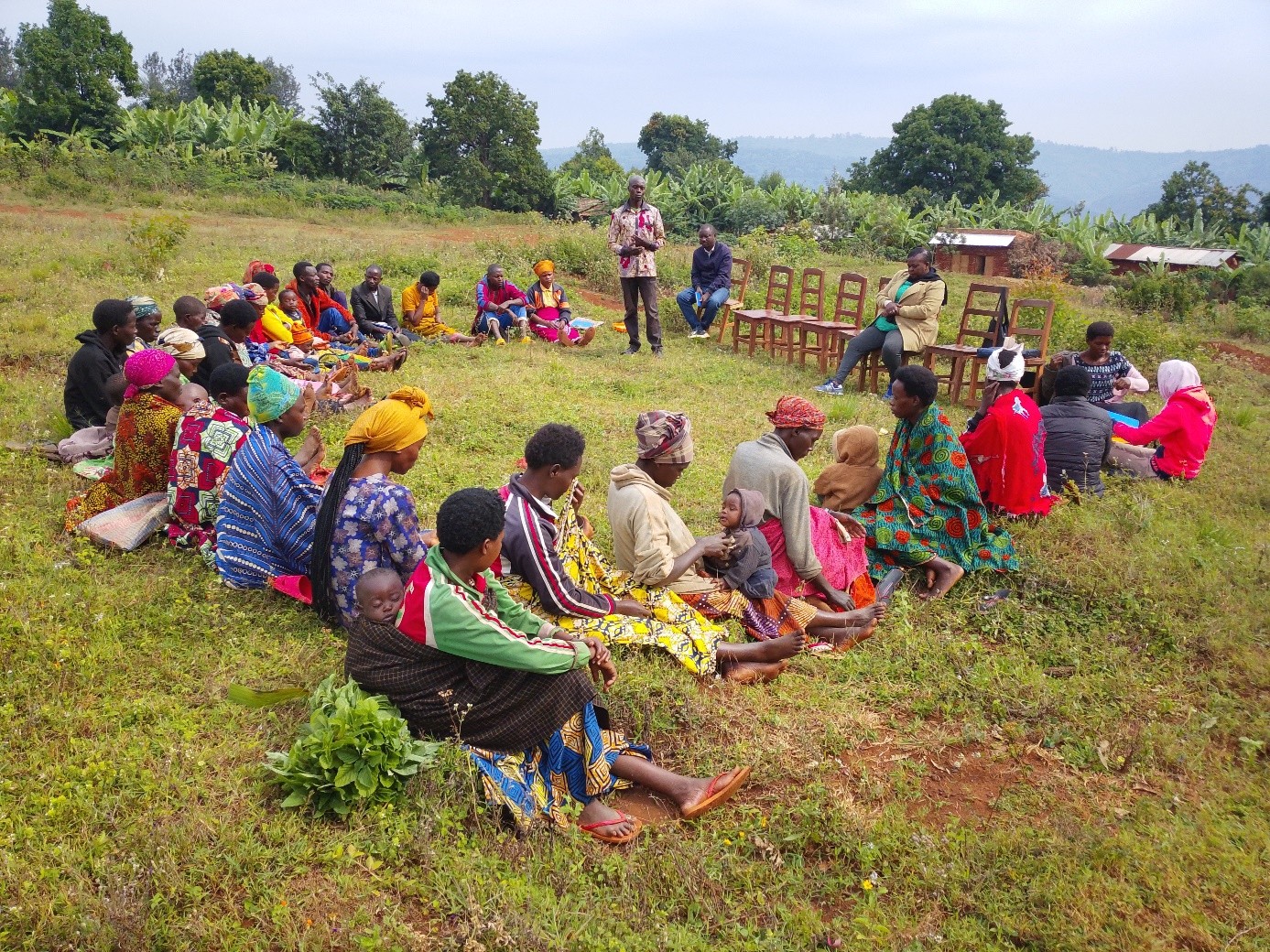
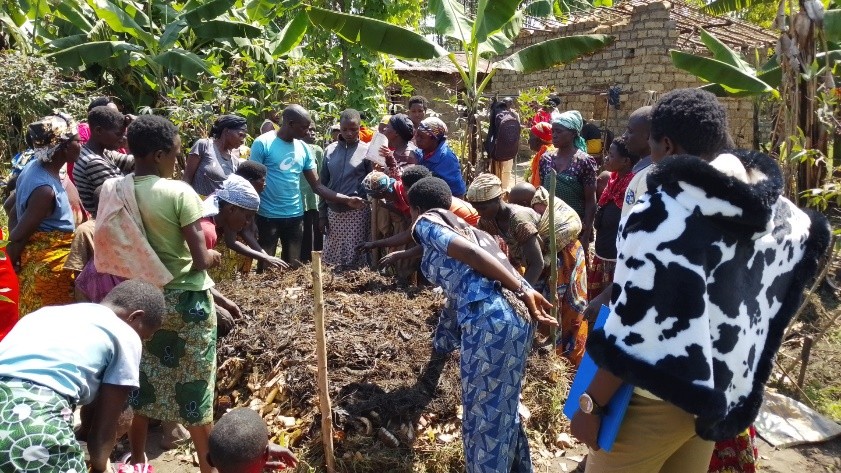
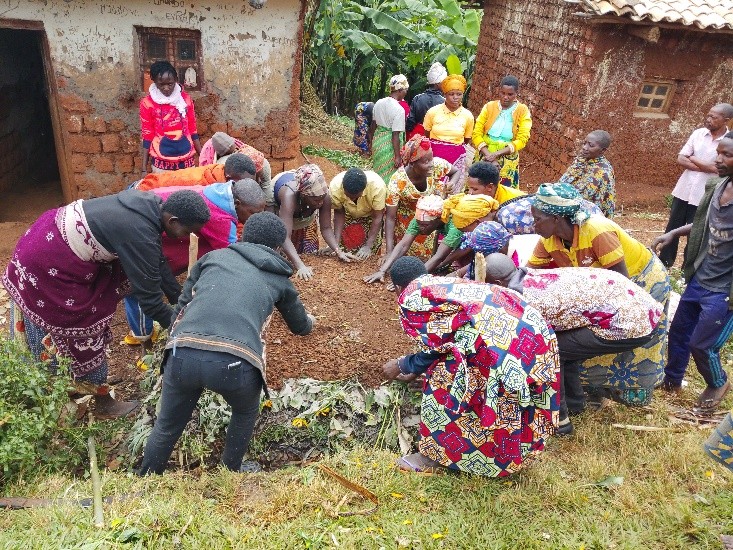
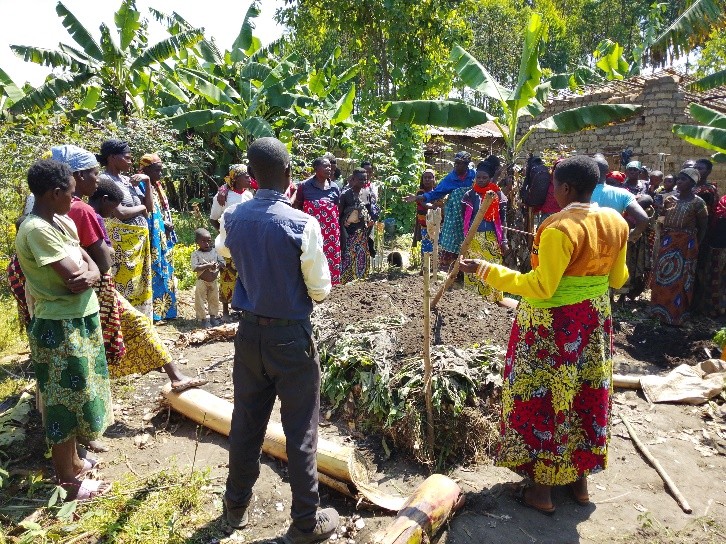
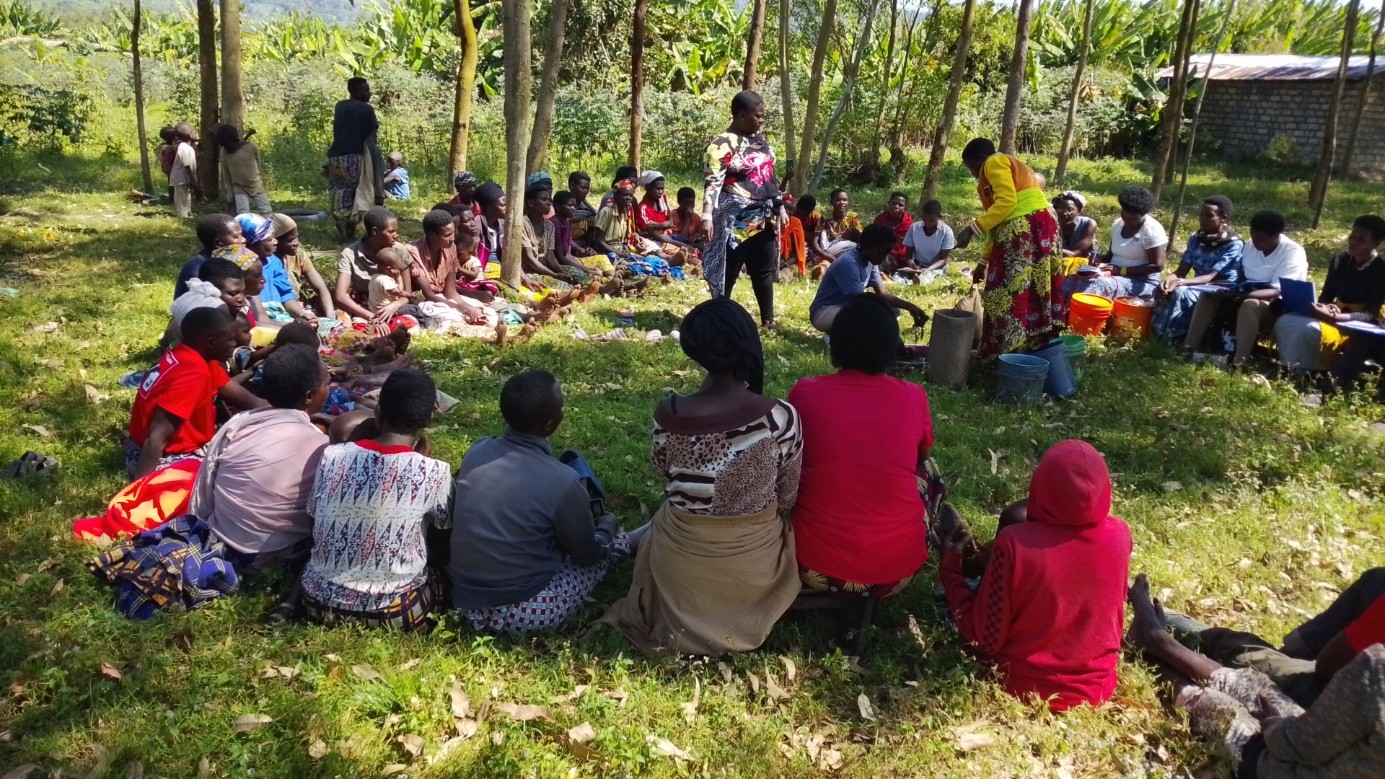
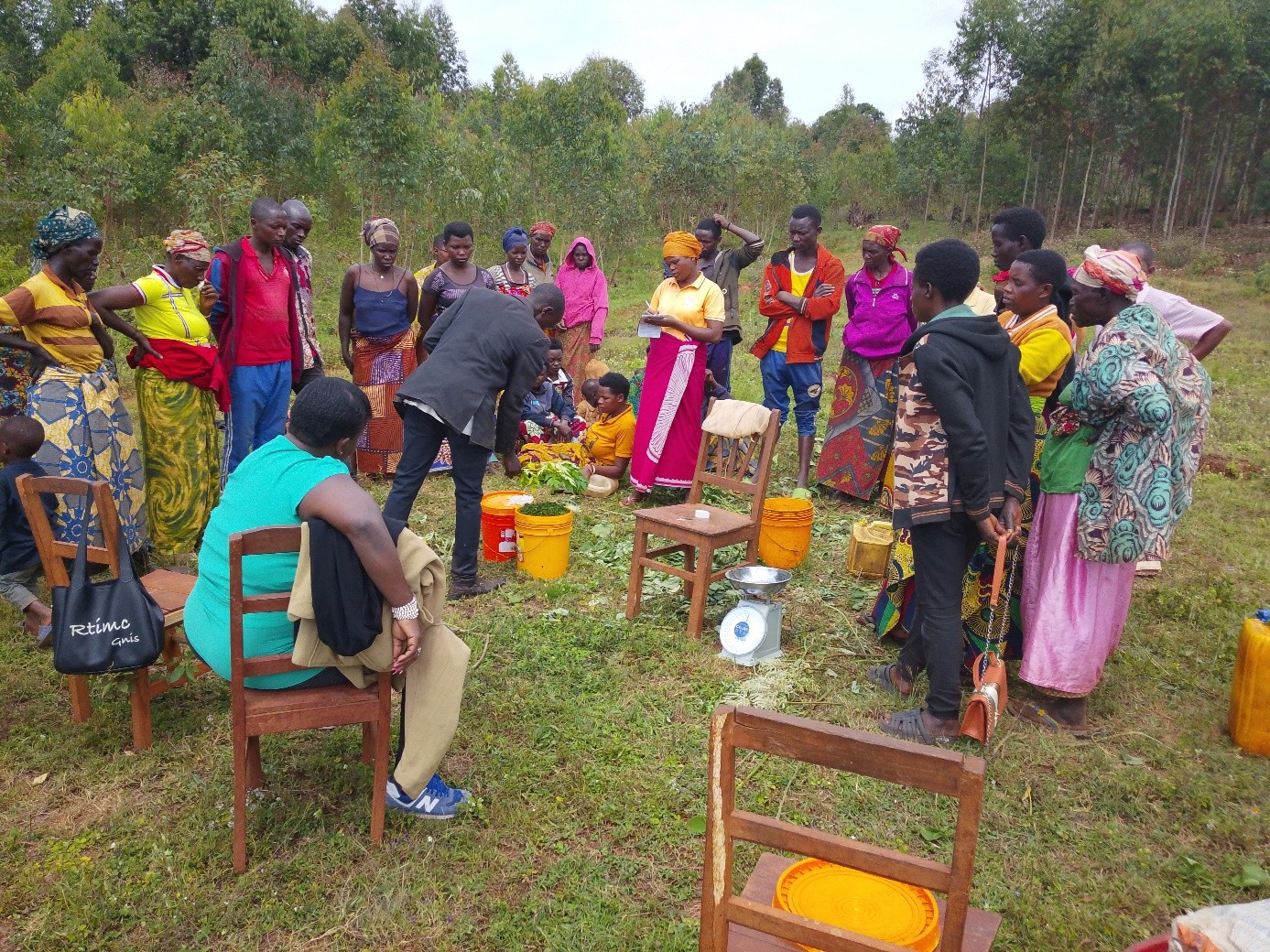
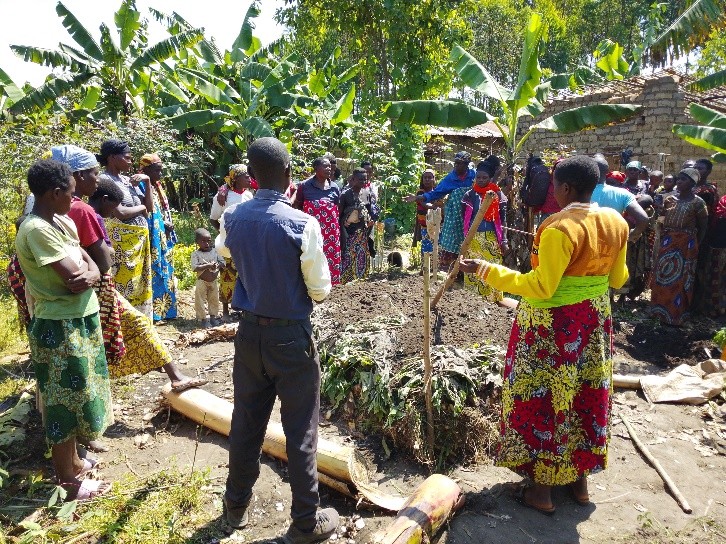
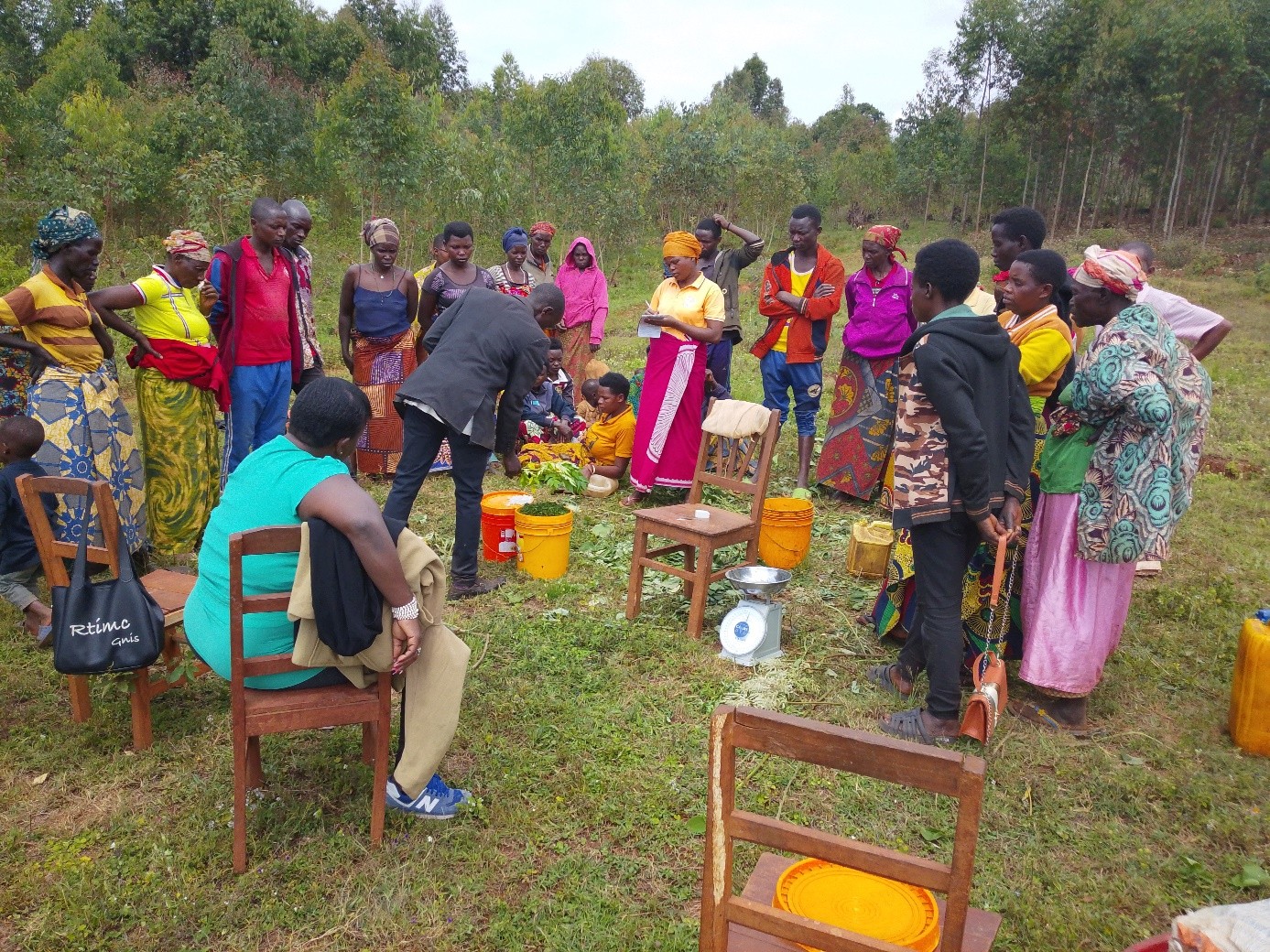
Practical demonstrations were conducted on each hill, allowing participants to handle the materials, observe, and understand each step of the process.
ASSOCIATION POUR LE DEVELOPPEMENT INTEGRAL ET DURABLE



Ngozi, Butanyerera
Lun-Vend: 8h-17h
adidbdi2020@gmail.com
RURAL WOMEN TRAINED IN SUSTAINABLE AGROECOLOGICAL PRACTICES
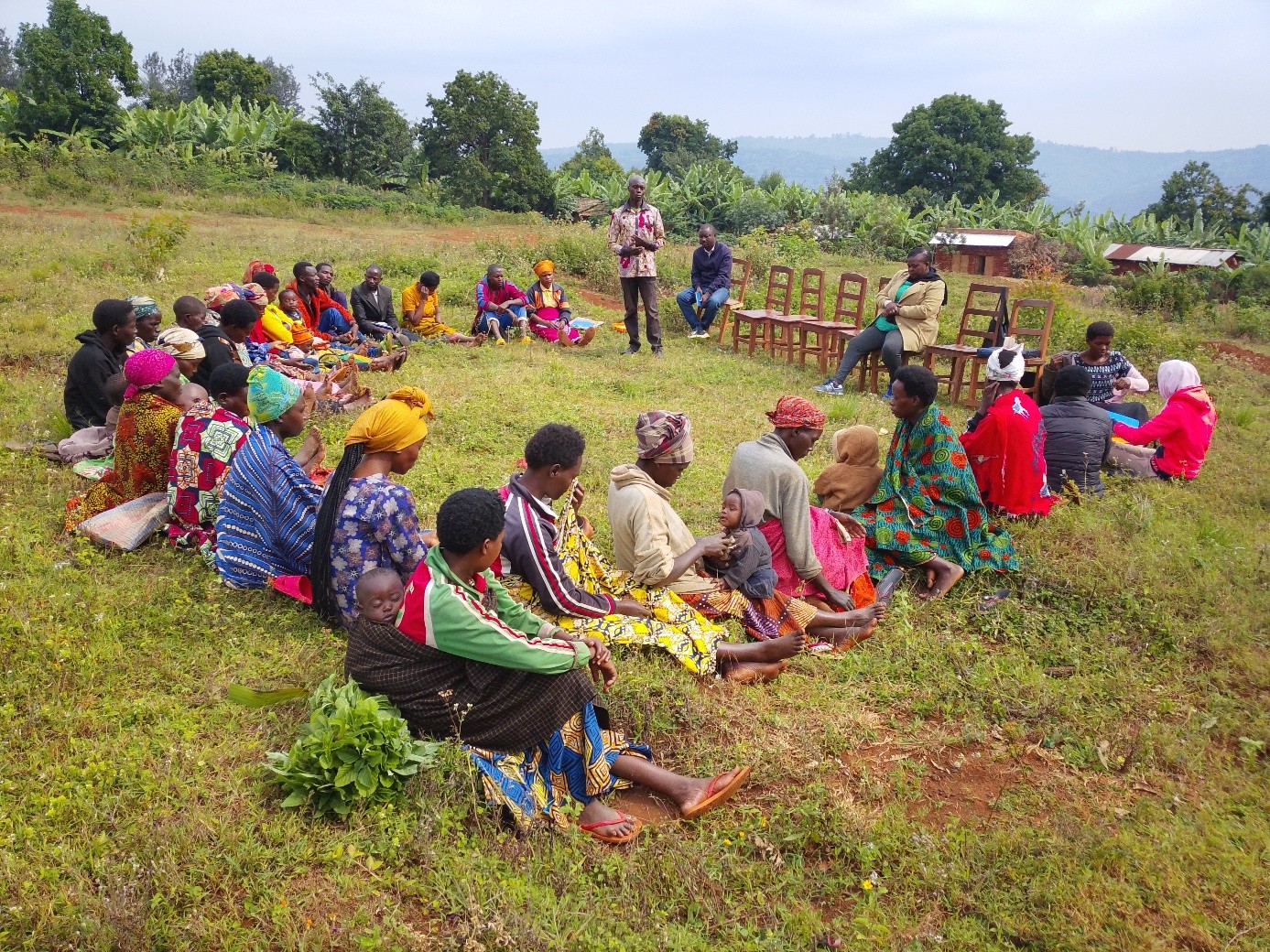
From June 16 to 18, 2025, as part of the Climate Resilience Project for Women (PRCF), the Association for Integral and Sustainable Development (ADID) successfully organized practical training sessions on three hills in Ngozi Province: Gakeceri (Ngozi Commune), Gitasi (Mwumba Commune), and Rugori (Busiga Commune).
These training sessions brought together more than 120 rural women, with approximately 40 participants per site, drawn from local groups, including Batwa women’s groups from the hills of Rugori and Gitasi. It is also worth highlighting the presence of men who joined the women to benefit from this learning opportunity.
After discussions on the benefits of using agroecological inputs for human health, soil fertility restoration, and climate change mitigation, participants were trained in compost heap production techniques, the preparation of liquid fertilizers based on Tithonia, and the production of neem-based biopesticides.
ECOLOGICAL COMPOSTING: KNOW-HOW FOR FERTILE SOILS
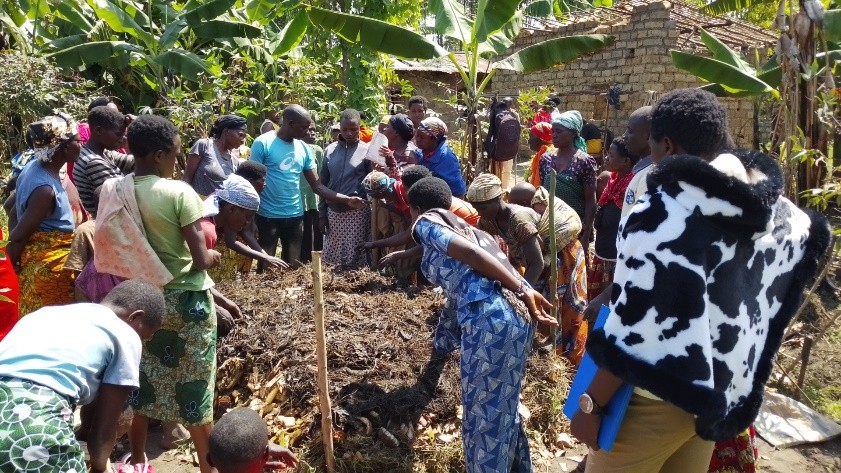
Participants learned about the materials required to produce high-quality compost, the optimal conditions needed for an effective decomposition process, and the benefits of compost, including improving soil structure, protecting human health, and preserving biodiversity.
LIQUID FERTILIZERS AND BIOPESTICIDES: A LOCAL AND SUSTAINABLE ALTERNATIVE
BROADER COMMUNITY MOBILIZATION AROUND THE TRAINING SESSIONS
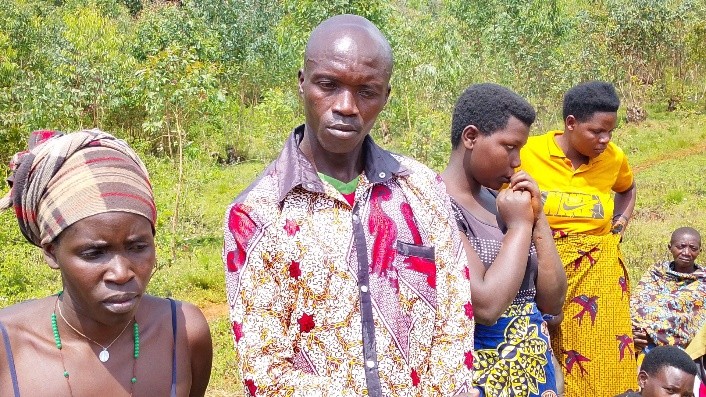
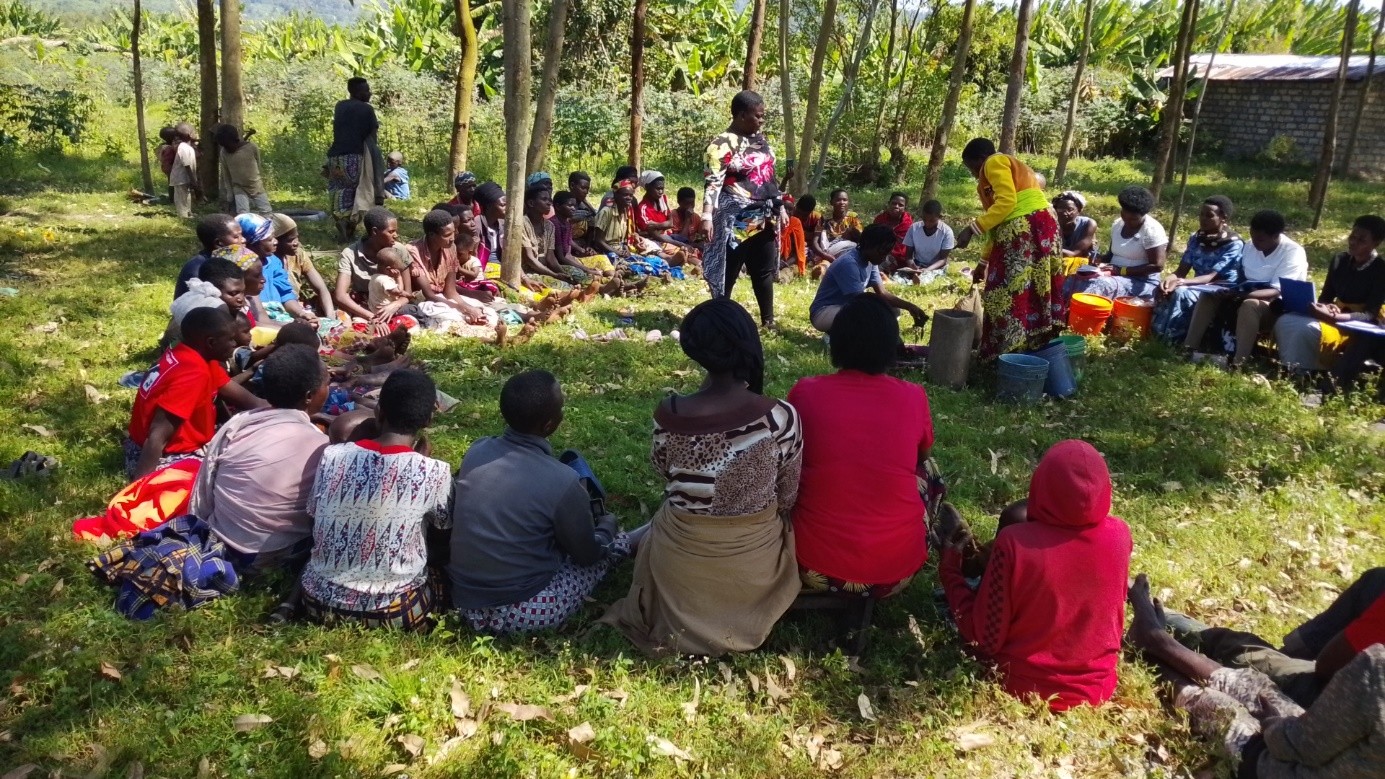
The training sessions initiated by ADID do not benefit only the members of the targeted groups. At each session, residents from the same hills and neighboring areas spontaneously join the activities. This participation reflects a growing interest in agroecological practices and a shared desire to strengthen local agricultural knowledge.
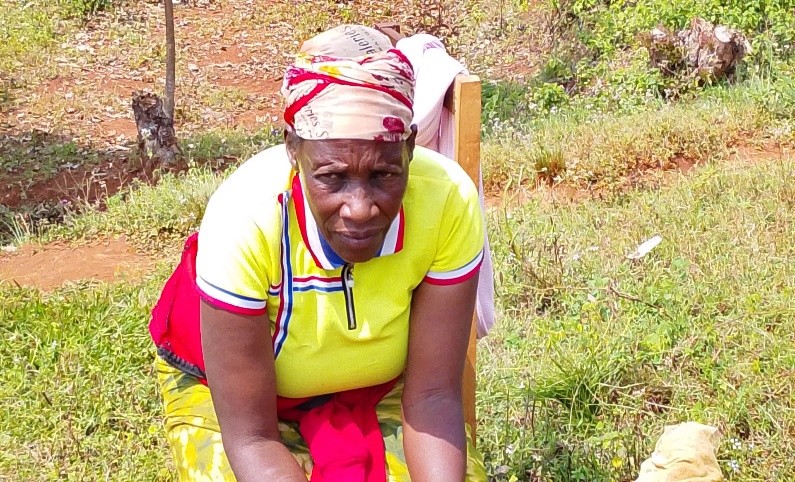
Béatrice, from a Batwa group:
According to Béatrice, the training was not only a valuable transfer of sustainable knowledge but also a true catalyst for change. In her own words, she shares:
“I have just discovered a new source of opportunity. I have seen all the raw materials needed, and since they are available right here on our hill, I will easily be able to produce bio-inputs myself, at no cost. This will allow me to practice agriculture more than ever before.”
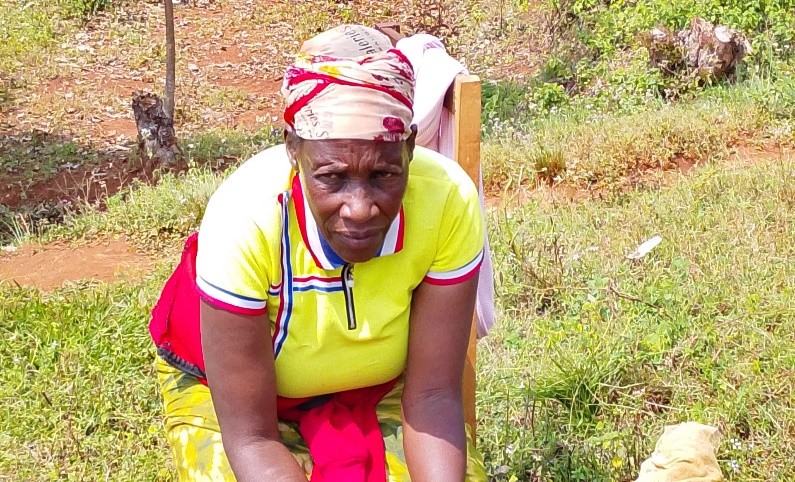
Hakizimana Marie, from the Twitezimbere group in Gakeceri:
“I was already familiar with some of these practices through the young people, but over time, I had forgotten everything. When I learned that ADID was going to support other groups, I immediately wanted to be part of it. My daughter Micheline, a community facilitator in Ngozi, was using bio-inputs in her model fields. I saw the impact on her crops and started taking interest.
One day, our maize and pea crops were attacked by pests. My daughter prepared a biopesticide and we applied it together. She had also replaced chemical fertilizers with ecological compost and urine. The result: her fields produced better yields than those treated with chemical products. That is what convinced me to join the group and change the way I farm—at least for one model field.”
Several of these participants, who are not members of the groups or cooperatives supported by ADID, leave with concrete ideas to replicate in their own farms, thereby contributing to a community-driven diffusion of the techniques taught.
A SUSTAINED AND PROMISING COMMUNITY DYNAMIC
Local administrative authorities actively participated in these sessions and encouraged the women to put the acquired skills into practice, emphasizing their crucial role in the transition toward ecological and resilient agriculture.
An administrative official from Gakeceri hill stated:
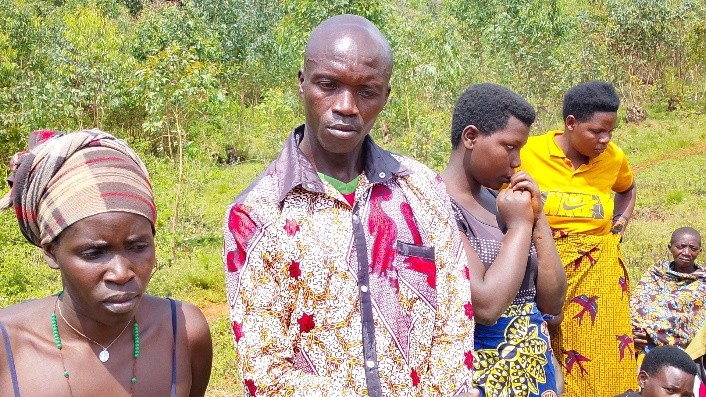
“It is imperative that the beneficiaries of this training put the lessons learned into practice, as this could profoundly transform living conditions within households. For example, by producing ecological compost, families will no longer need to purchase chemical fertilizers and can instead allocate that money to other essential needs.
Moreover, many residents of Gakeceri could not afford chemical pesticides and left their fields untreated. Even those who could afford them had to travel all the way to Kayanza to obtain them. If the population adopts the practices taught, these trips will no longer be necessary, costs will decrease, and this will contribute to the development of both households and the hill as a whole.”